Formulation solutions
What are alternatives to pea or soy protein?
Faba bean protein is a Canadian-grown alternative. Phytokana’s Faba Protein Concentrate – LVC delivers ~70% protein and ~11% fibre, made by dry fractionation, with mild flavour and light colour — a way to diversify beyond soy, pea, whey and egg.
Why this happens
Why formulators look beyond pea and soy
Proteins are not interchangeable on protein content alone. Solubility, water binding, emulsification, gelation and sensory characteristics influence how each protein performs in a finished product. Developers also look beyond pea and soy for supply diversification, flavour and colour, and labelling considerations.
How Phytokana can help
How faba compares
Protein and fibre: Faba Protein Concentrate – LVC delivers ~70% protein and ~11% fibre.
Process: dry fractionation with no heat, water or chemicals, retaining native protein and starch functionality.
Functions: water binding, emulsification, gelation, foaming and solubility, with mild flavour and light colour.
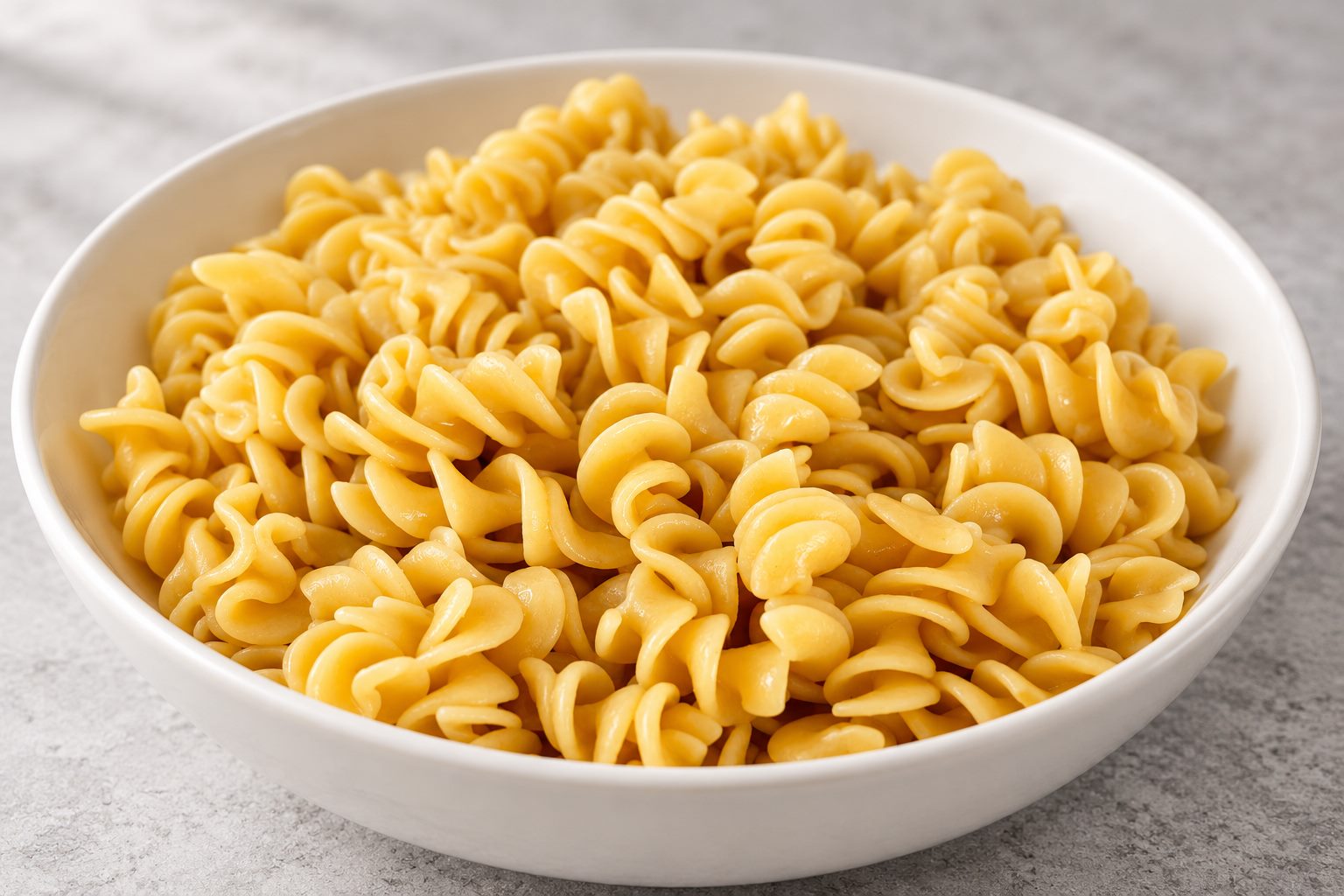
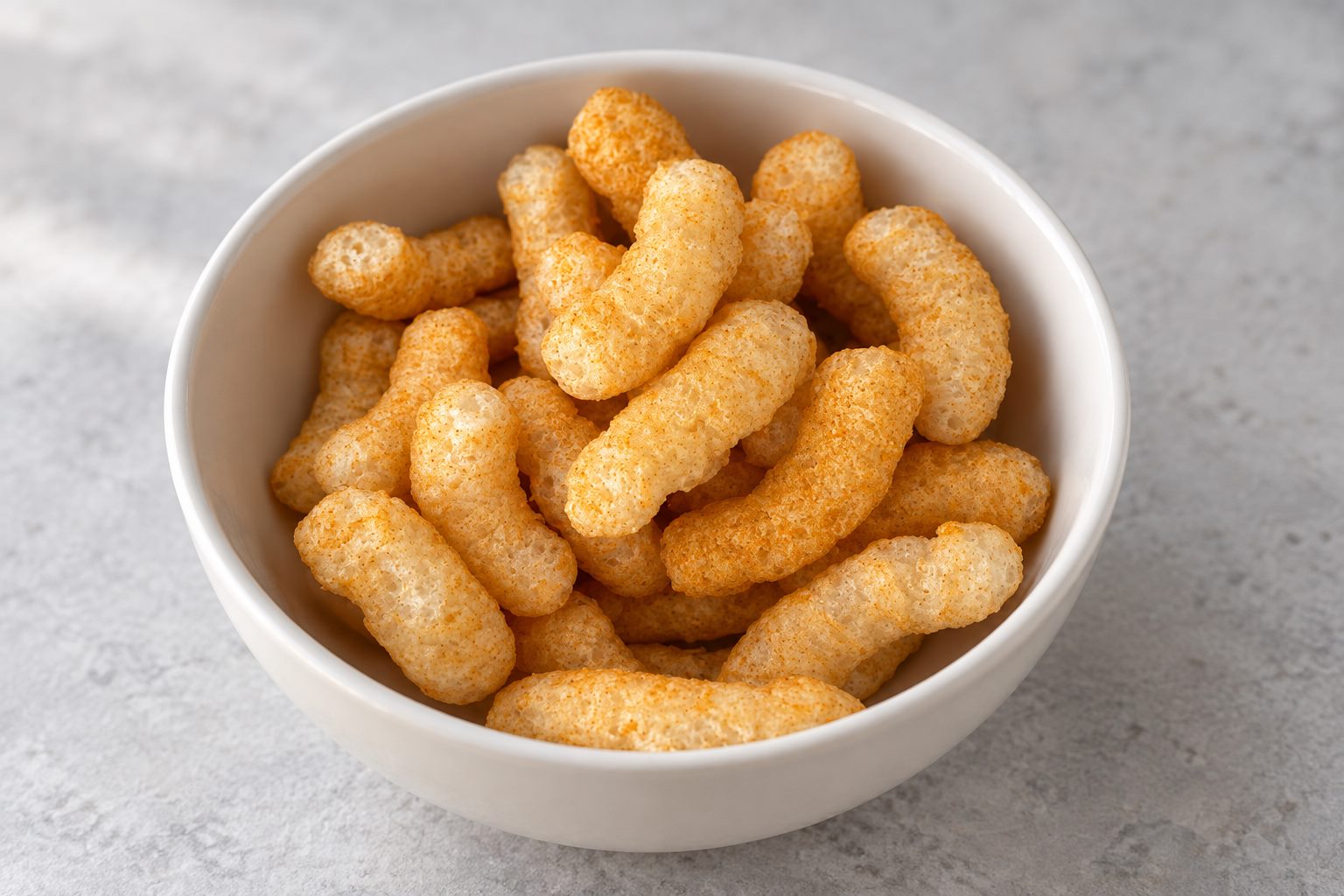
Origin: Canadian-grown faba with a traceable supply. Suited to high-protein baked goods, pasta and noodles, dairy alternatives, plant-based meat alternatives, and snacks and confectionery.
What to evaluate
What to evaluate in your trial
Required protein level
Flavour and colour targets
Allergen and label requirements
Processing and functional performance
Discuss this challenge
Bring us your formulation.
Tell us the product, target nutrition, process and claims, and we’ll help you find a practical starting point.